

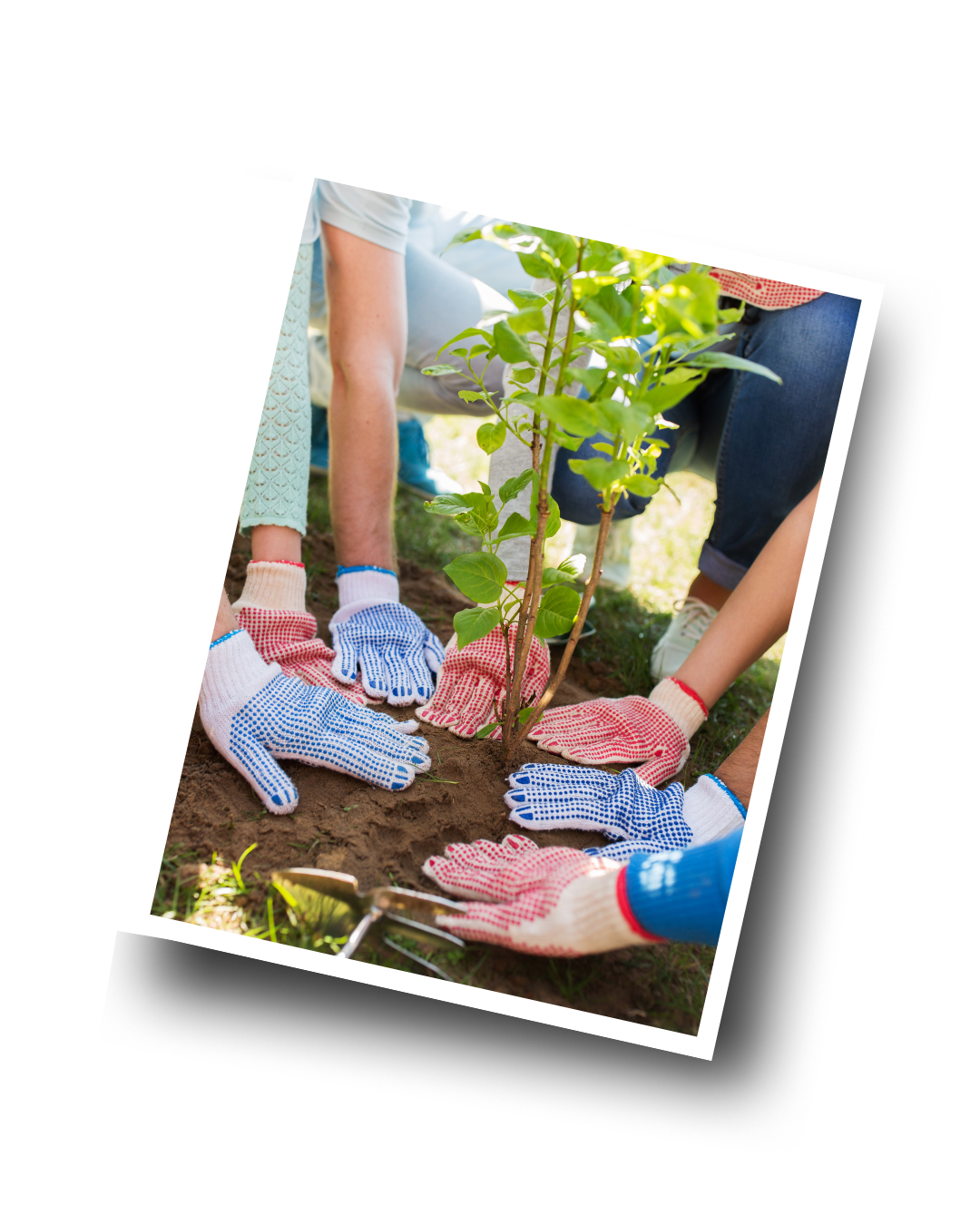
Our purpose is to raise awareness, educate, and advocate for the good stewardship of and justice for God’s creation in the Keystone Conference.
The Keystone Conference is to be a People of the Table. A part of ending hunger is taking care of the environment in which food is grown and people live. Soil health, clean water and stable climate conditions are essential for food production. Environmental injustices such as polluted water, degraded farmland, and climate-driven crop failures hit low-income and marginalized communities hardest, deepening food insecurity.
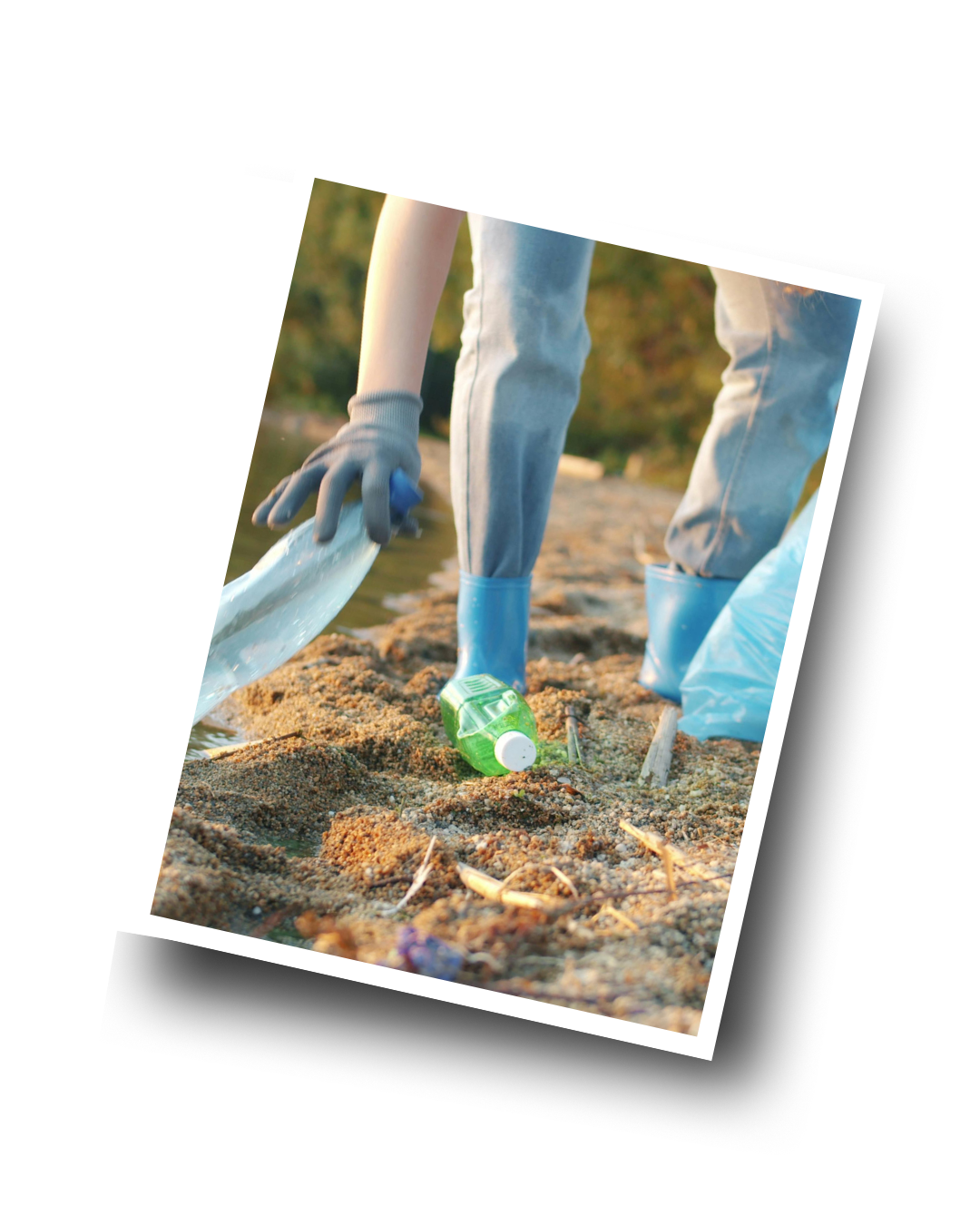
The environmental justice mission team within the Keystone Conference will strengthen the mission of being a People of the Table. By engaging in environmental justice work, we honor the sacredness of the earth as God’s table. Caring for creation is part of welcoming all to God’s abundant table.
We aim to meet monthly on Zoom and we welcome anyone interested in environmental justice work.
You can participate in the book studies (i.e. Climate Church, Climate World, by Jim Antal), projects (i.e. green grants, plastic-free challenges), educational opportunities (i.e. field trip to Eastwick, Phila., visit EJ displays at Conference meetings, newsletter articles), and statewide advocacy efforts offered by the team.
Featuring fifty days of reflections by spiritual leaders and writers from around the world, The Creation Care Bible Challenge is an extension of The Bible Challenge, a global initiative to encourage daily engagement with scripture and an exploration of the Word of God.
Through this new program, we are starting local chapters across the country to address the interconnected crises of climate change and societal injustice.
Earth Overshoot Day marks the date when humanity’s demand for ecological resources and services in a given year exceeds what Earth can regenerate in that year. This ecological deficit spending is possible because we can liquidate stocks of ecological resources and accumulate waste, most prominently carbon dioxide in the atmosphere. As overspending can not last, overshoot will end. The question is only how: by design or disaster.
What Your Church Can Do About Climate Change By David R. Bushnell
Every year at Christmas, up to 30 million live trees are sold in the US. While the debate continues with those asserting that artificial trees are the “greener” option compared to a cut tree used once, there are nuances to consider!
Most live Christmas trees are grown on farms, harvested, and a new tree is subsequently replanted. Live trees are actually more sustainable because they are biodegradable, and tree farms provide much the same benefit as neighborhood trees and forests such as cleaner air, removal of carbon, preventing soil erosion, and more.
With a little extra care, consumers of live Christmas trees can increase these benefits! Take some time this year to practice some responsible and environmentally conscious recycling modes, and advocate for some if your community doesn’t participate!
In February, members of the Environmental Justice Team, Marian Shearer, Karl Jones, Austin Chinault, Zach Jackson, and Barbara Pence, visited the Eastwick Community in Philadelphia to hear about their ongoing work around the environmental justice issues of living in a community built next to Cobbs Creek in spite of its tendency to flood and an over 50 acre trash dump that is now an EPA Superfund site. In addition, the team visited two homes to see the damage and to hear the homeowners’ stories from when
Hurricane Isaias flooded their homes and community in early 2020. The tour was led by Ted Pickett of Eastwick United Community Development Corporation and Victor Jackson of Eastwick United Methodist Church. The Team saw contractors replacing doors using materials funded by a Lowe’s grant obtained through the UCC Global HOPE Team. The contractors were funded by another grant from the Center for Disaster Philanthropy. Both grants have been managed through the PA Southeast Conference. Volunteers have been coordinated by another UCC Partner in Service, Sharon Sgriccia.
The Environmental Justice team then met with church members of Eastwick United Methodist Church and their pastor, Rev. Tracey Duncan, Denise Shelton, from the Eastern PA Conference United Methodist Disaster Ministries, Eileen San Pedro, whose home flooded and, through the recovery work of the UCC Disaster Ministries, became a UCC partner in service, and the CEO of Eastwick United Community Development Corporation, Carolyn Moseley, who gave a presentation on the history of the environment injustices present in the Eastwick and how they’re working for justice.
The trip was set up by Karl Jones, our PSEC Conference Disaster Coordinator and a member of the PSEC Environmental Justice Team.
Take those canvas bags with you to the store instead of using plastic bags.
When ordering beverages in a restaurant, ask for ‘no straw’. Carry a reusable straw with you if you prefer to use one.
Where possible, purchase milk in glass instead of plastic.
Avoid plastic utensils, by carrying your own to a picnic or potluck. Bamboo utensils are nice, or better yet buy cheap silverware from a thrift shop and a cheap fabric napkin. Roll them up together and carry them with you for picnics.
Utilize solar power for laundry drying, by hanging wash outside or using a drying rack
Carry your own reusable water bottle instead of purchasing bottled water.
If there is an option, buy Boxed Water where bottled water might otherwise be for sale.
At home, use cloth napkins instead of paper.
Replace your paper towels with re-usable cloth 'paper' towels. You might even make your own with flannel pieces from old pj’s.
Have clean empty take out boxes with you when you eat out, for your leftovers.
Take your own commuter mugs for coffee to Wawa, Sheetz, or your favorite convenience store. You will probably get a discount!
Try bar shampoo and conditioner to avoid plastic bottles.
Make your own cleaning products from online recipes and store in glass spray bottles.
Using laundry detergent sheets help avoid plastic detergent bottles.
Where possible, use farm stands and local butchers. Even better, grow your own vegetable garden.
Consider brooming/raking by hand instead of using a leaf blower.
Reuse the inevitable and ubiquitous plastic bags before putting in the recycling.
Are there any local businesses that might use your empty boxes for shipping? Florists who will happily receive vases or other floral containers?
If you have the option to purchase bulk foods, take your own jars to that store and restock.
plastic straws, plates and cutlery make our lives easier, but they have a serious impact on the planet. Instead, use metal and bamboo alternatives, or biodegradable plastics if possible
disposable containers are ubiquitous (polystyrene trays, PET bottles, tetra paks, plastic containers, etc.) but more and more stores are offering the possibility to buy foods like cereals and rice in bulk.
instead of using plastic baggies, plastic wrap and plastic storage containers, try opting for a bento box or tiffin. Instead of using plastic zipper bags or wrapping things in Saran wrap, use jars or glass containers.
Take a cloth bag when you go shopping
farmers markets are a great way to buy fresh, local produce without plastic, as long as you remember to bring your own bags.
Replace plastic Tupperware for glass or steel containers
If you do happen to use any plastics, put your plastic waste in the correct recycling container and in accordance to your local recycling services
Avoid using cosmetics that use microplastics
Buy less clothing, and wash them only when necessary- a single wash can cause 700,000 bits of microplastics to be released into the environment
Buy “natural” fabrics like cotton, hemp and linen. Processing these materials is far less water – intensive than synthetic fabrics like polyester and nylon and they will last longer
Use a refillable water bottle
use a mixture of 1 part vinegar to 3 parts water as an all-purpose spray cleaner (storing it in a reused spray bottle) and produce wash.
Try natural beeswax coated cloth wraps instead of plastic cling film
Buy necessary plastic items used instead of new
Compost food waste to avoid plastic garbage bags