

What do we mean by a “mission focus”?
Our faith calls us into action. The Local Churches, Associations, and Historic Conferences of the United Church of Christ in Pennsylvania are involved—and will continue to be involved—in hundreds of efforts that seek to offer mercy, be of service, advocate in the public square, and build a just world for all. Among all of these laudable projects, we see a need for the newly-formed Conference to unite around a specific direction for our outreach in the coming years.
A mission focus for the Keystone Conference United Church of Christ offers us a way to concentrate our efforts in this initial season, amplifying our voice and helping to bring us together. We propose that this initial mission focus, People of the Table, will be a Conference priority in our founding years (2026-2028), and that the Conference Board might choose either to continue this focus or to determine a fresh mission focus to pursue in the subsequent period of Conference life.
Why choose ending hunger as a mission focus?
Ending hunger is a goal that unites our diverse Local Churches and Associations. Across the proposed Keystone Conference, settings of the United Church of Christ area already engage in ministries to feed our neighbors: food pantries, community dinners, soup kitchens, canned good drives, neighborhood gardens, and political advocacy are just a few examples. We do this work because the Gospel mandate is clear: “feed my sheep,” said Jesus: “I was hungry and you gave me something to eat.” We are people of the table, uniting around our Eucharistic tables and then welcoming our neighbors around our social hall tables. This identity is particularly strong in Pennsylvania, a commonwealth containing over seven million acres of farmland, where many Local Churches take pride in our agricultural heritage. While our members may vary in their perspectives on many social issues, we believe that ending hunger is a priority that brings us all together.
We anticipate that the majority of the action around this focus will continue to happen within Local Churches and Associations, who will continue or initiate practical projects relating to ending hunger. Meanwhile, Keystone Conference staff and board/committee leaders will play these roles in implementing the mission focus:
Conference leaders will celebrate and encourage the ways that settings across the Conference are working to end hunger. They will collect stories and statistics about how UCC settings are ending hunger: how many meals are we serving? how many pounds of food have we collected? how many letters have we written to Congress? Then, they will amplify these stories in Conference publications and in their preaching and public speaking.
Conference leaders will offer guidance and connections for Local Churches and Associations who wish to begin or improve their ministries relating to ending hunger. For example, the Conference might organize a webinar on establishing a community garden, or it might circulate a set of bulletin inserts on how to write an email to your state legislator encouraging policies to eliminate food deserts.
Conference leaders will partner with organizations already working on hunger priorities in state and federal government (e.g. the United Church of Christ Office of Public Policy & Advocacy, Hunger-Free Pennsylvania, Bread for the World, etc.) to bring the voice of the Conference to Harrisburg and Washington DC.
Incorporate this theme into Conference-wide programs and gatherings. For example, the Conference Annual Meeting, youth gatherings, and clergy retreats might include hands-on projects that help to end hunger and speakers who can inform our advocacy.
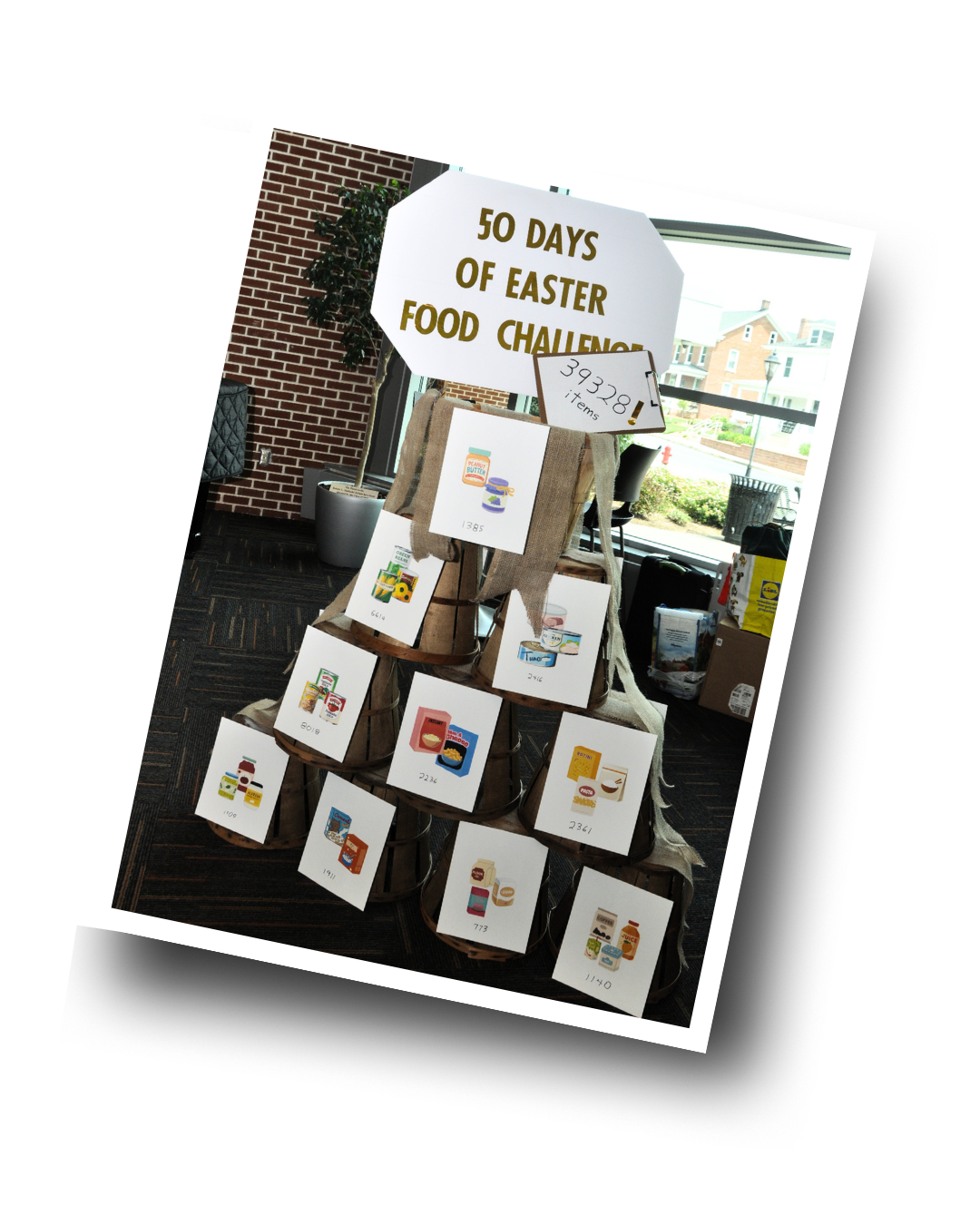
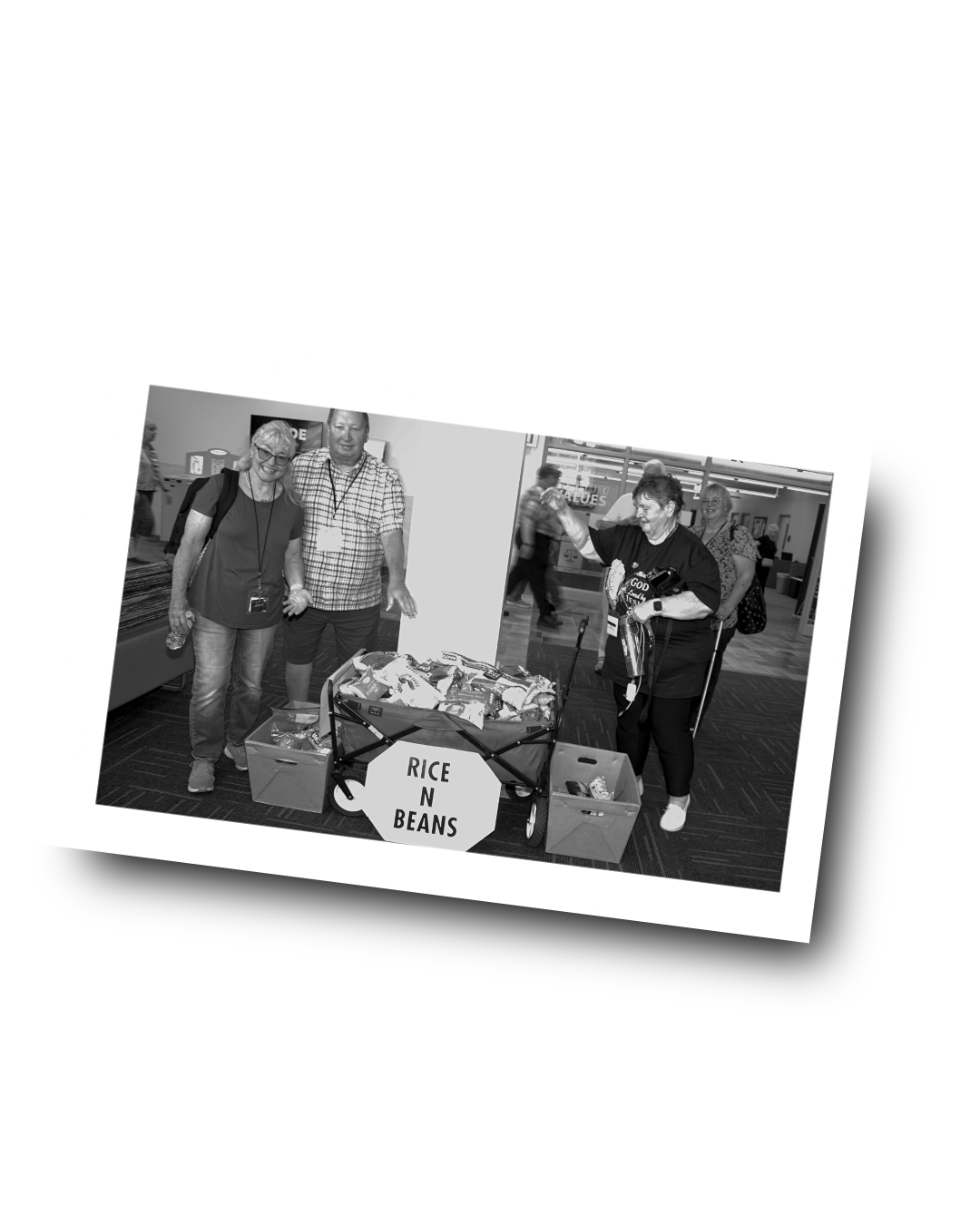
Churches from across the Keystone Conference responded in amazing ways to the challenge to collect non-perishable food for a local food bank between Easter and Pentecost (April 5-May 24, 2026)! In all, 131 churches donated 39,328 items plus $4446 in cash. That includes 8018 cans of soup or pasta, 6614 cans of fruit or vegetables, 1911 boxes of breakfast cereal, 1395 jars of jam or nut butter, and so much more: from baking supplies to toiletries to farm-fresh eggs. Wow! Look what God can do when we all work together!
The churches of the Keystone Conference are already working hard to alleviate food insecurity in their areas beyond these donations. We ask that you report the ministries your church supports—from community gardens to meal deliveries—so we can connect and support the important ministries happening throughout the Conference.
To get involved in People of the Table, or with your questions about this ministry, contact Team leader Rev. Liddy Barlow.